Want to transform your garden tractor into a highly efficient, versatile farming machine? A three-point hitch is your key to unlocking increased productivity and higher yields. This comprehensive guide will equip you with the knowledge and steps needed to successfully add a three-point hitch to your tractor, whether you're a seasoned gardener or just starting out. We'll cover compatibility, installation, maintenance, implement selection, and address common concerns. Get ready to revolutionize your small-scale farming! For more on top link parts, check out this helpful resource: top link details.
Understanding Three-Point Hitch Systems
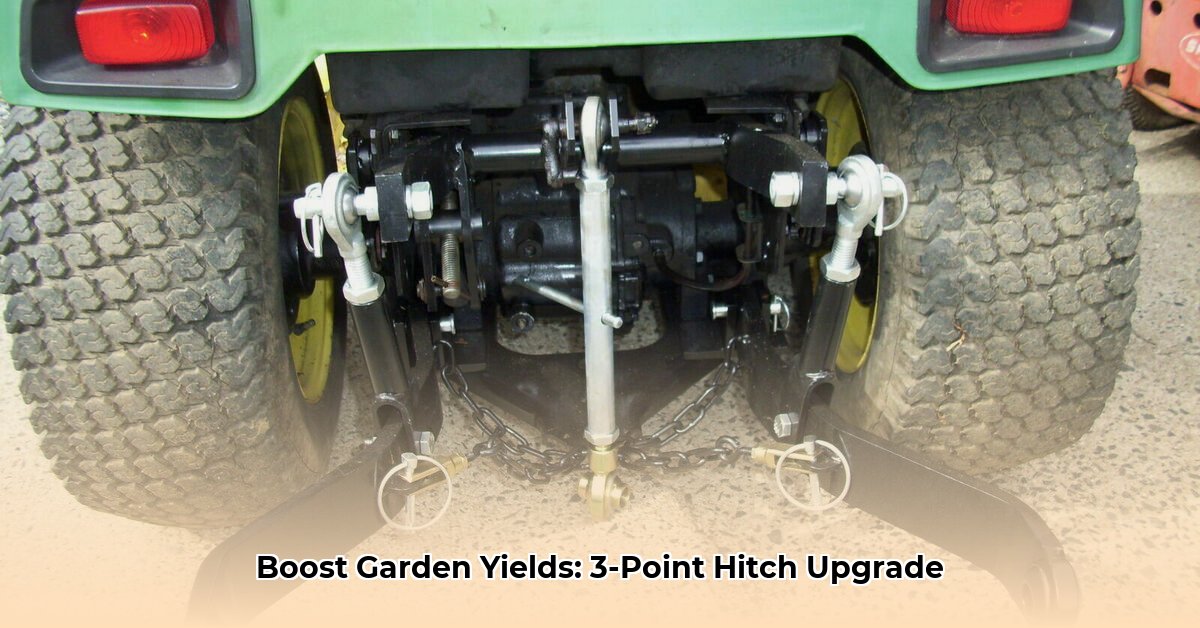
A three-point hitch is a clever system connecting implements to your tractor using three points: two lower links and a top link. Imagine it as a strong, adaptable arm for your tractor. The lower links lift and support the implement, while the top link maintains alignment and angle, ensuring smooth operation. This contrasts with simpler sleeve hitches, offering superior stability and control, especially crucial when working with heavier implements or on uneven terrain. This versatility lets you easily switch between plowing, tilling, mowing, and more, maximizing your tractor's use. This enhanced efficiency translates directly into higher yields with significantly less effort.
Assessing Your Tractor's Compatibility
Before purchasing a three-point hitch, carefully assess your tractor's capabilities. Check your tractor's manual for specifications, including horsepower, lift capacity, and whether it’s even compatible with a three-point hitch. Consider the weight of the implements you plan to use; ensure your tractor has the power to lift them safely. Underestimating your needs could lead to equipment damage or even injury. While some tractors might require modifications or retrofits, others may be unsuitable for a three-point hitch. Seek professional advice if unsure about your tractor's capabilities. A qualified mechanic can determine if a retrofit is feasible and cost-effective, or if a new tractor is a better long-term solution.
Choosing the Right Kit or Tractor: OEM vs. Aftermarket
You'll find two main options for acquiring a three-point hitch: an aftermarket kit or an OEM (Original Equipment Manufacturer) kit. Aftermarket kits generally cost less, but might require more mechanical expertise for installation, potentially imperfect fit, and may offer limited warranties. OEM kits, designed specifically for your tractor model, offer a more seamless fit, often simpler installation, better integration, and superior warranty coverage, though at a higher initial cost. Cub Cadet, for example, has specific requirements for their models, so consult your tractor's manufacturer specifications. Always weigh the initial cost against long-term reliability and support.
Installation and Maintenance: A Step-by-Step Guide
Installing a three-point hitch can be a manageable DIY project for mechanically inclined individuals, but always prioritize safety. Carefully review the manufacturer's instructions; these are crucial for a safe and correct installation. Many helpful videos demonstrate the process. However, if you're uncomfortable performing the installation yourself, a qualified mechanic can ensure proper fit and functionality.
Typical Installation Steps (Always refer to your kit's instructions):
- Safety First: Disconnect the PTO and all other implements.
- Mount the Hitch: Securely bolt the hitch components to your tractor's frame, ensuring tight fit and proper alignment.
- Adjust the Top Link: This controls the implement's angle; adjust based on manufacturer's recommendations for optimal performance.
- Test Run: Start with a lightweight implement to test functionality before using heavy-duty attachments.
Regular maintenance is essential. Lubricate moving parts, inspect for wear and tear, and replace damaged components promptly. This ensures longevity and prevents potential problems.
Choosing and Using Implements: Expanding Your Capabilities
The true power of a three-point hitch lies in its versatility. It opens a world of possibilities beyond your tractor's original attachments. From plows and cultivators to mowers and tillers, the choice is vast. Match your implement selection to your specific needs and the capabilities of your tractor and hitch. Consider factors such as weight, power requirements, and the tasks you intend to perform—plowing, tilling, mowing, hauling—to make informed choices. Always verify that the implement's weight is within your hitch's lifting capacity.
Addressing Challenges: Cost and Environmental Impact
Upfront costs can be substantial. However, a quality three-point hitch offers long-term benefits, including increased efficiency, reduced labor, and potential for higher yields. Over time, the investment will likely pay for itself. Consider fuel efficiency—using fuel-efficient implements and optimizing operating techniques minimizes environmental impact and reduces fuel costs. Minimize soil compaction by reducing passes over the same area and using wider tires to distribute weight more effectively. Prioritize durable, repairable implements to minimize waste and lessen your environmental impact; where possible, choose implements with sustainable materials and manufacturing processes. The long-term ROI, including reduced labor and increased yields, makes it a worthwhile investment for sustainable small-scale farming.
Conclusion: Enhance Your Garden Tractor and Yields
Adding a three-point hitch significantly enhances your garden tractor's utility and efficiency. This guide provides a comprehensive framework. By carefully assessing compatibility, choosing the right kit, and selecting suitable implements, you'll transform your small-scale farming operation. With proper planning, installation, and maintenance, a three-point hitch system will offer years of reliable service, leading to increased productivity and a more rewarding gardening experience.